Natural soap is made with cleansing oils, butters, or plant-based ingredients and is designed to clean the skin without relying on harsh synthetic detergents.
Choosing the right soap can make a noticeable difference in your daily skincare routine. Whether your skin is dry, sensitive, oily, or easily irritated, understanding how natural soap is made can help you choose a cleanser that fits your needs.
The Complete Guide to Natural Soap
Natural soap has been used for generations as a simple way to cleanse the face, hands, and body. Unlike many commercial cleansing products, traditional soap is usually made by combining oils or fats with an alkali in a process called saponification.
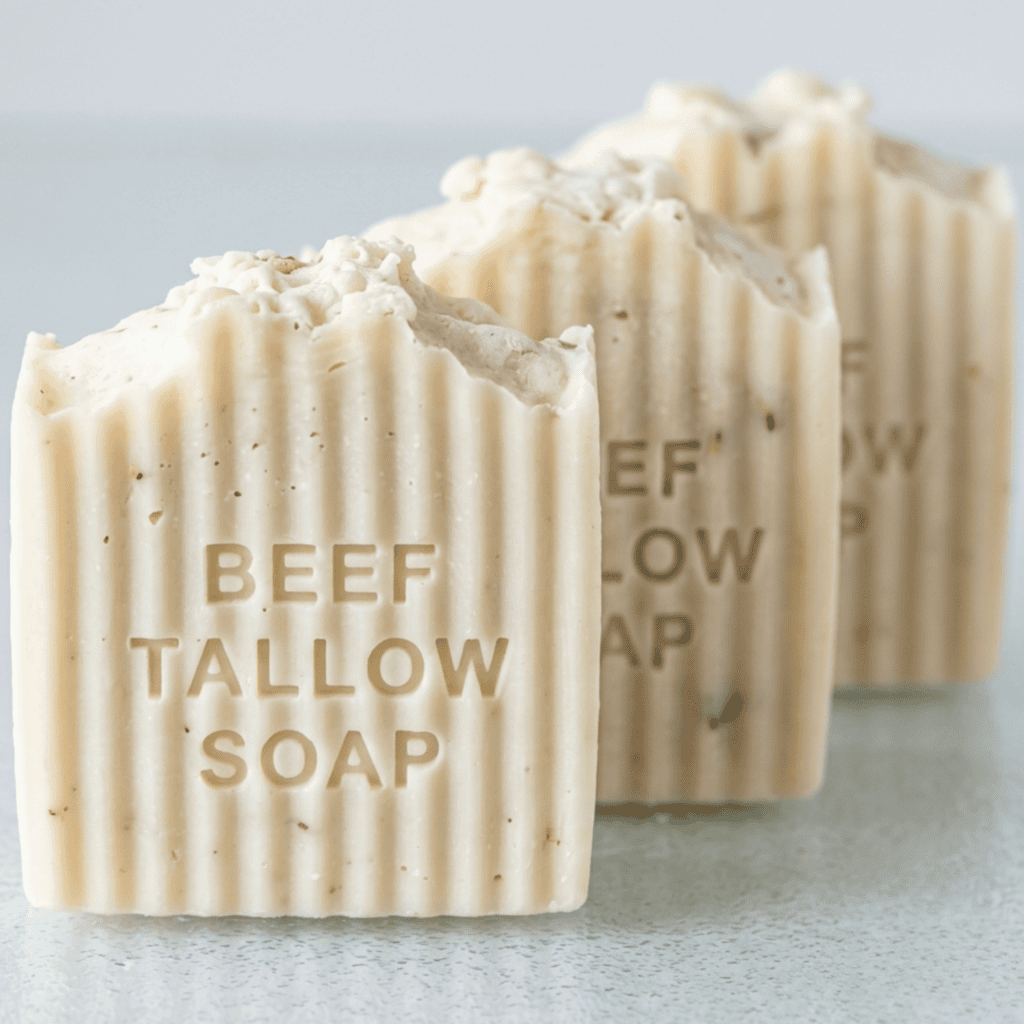
The result is a cleansing bar that can contain nourishing ingredients such as olive oil, coconut oil, shea butter, beef tallow, honey, turmeric, oatmeal, or plant-based botanical oils.
What Is Natural Soap?
Natural soap is generally made from naturally derived oils, fats, butters, clays, herbs, or other minimally processed ingredients. The exact formula varies depending on the maker and the intended skin type.
Some natural soaps are completely plant-based, while others use animal-derived ingredients such as beef tallow. A natural ingredient is not automatically right for every person, so it is important to read the ingredient list and choose a formula that matches your skin’s needs.
How Is Natural Soap Made?
Traditional soap is made through saponification. During this process, oils or fats react with an alkali. Once the process is complete, the oils and alkali become soap.
The main steps usually include:
- Selecting oils, fats, butters, or botanical ingredients.
- Combining the ingredients according to a carefully measured formula.
- Allowing the mixture to undergo saponification.
- Pouring the soap into molds.
- Allowing the bars to harden and, when appropriate, cure before use.
Small-batch soapmaking gives the maker more control over the ingredients, texture, scent, and intended skin feel of each bar.
Natural Soap Compared With Commercial Body Wash
Many body washes and cleansing products are detergent-based liquid formulas. Natural soap is usually a solid bar made through saponification. Neither format is automatically best for everyone; the most important factors are the ingredients, fragrance, cleansing strength, and how your skin responds.
| Feature | Natural Soap | Commercial Body Wash |
|---|---|---|
| Format | Usually a solid bar | Usually a liquid |
| Common base | Oils, fats, and butters | Water, surfactants, and conditioning ingredients |
| Ingredient variety | May include botanicals, clays, honey, oatmeal, or shea butter | May include synthetic fragrance, colorants, preservatives, and detergents |
| Packaging | Often uses less packaging | Commonly packaged in plastic bottles |
| Best choice | Depends on your skin and ingredient preferences | Depends on your skin and ingredient preferences |
Benefits of Choosing Natural Soap
Simple ingredient options
Natural soap can be a good option for people who prefer recognizable oils, butters, and botanical ingredients in their skincare routine.
Different formulas for different skin types
Natural soap is available in many formulas. Some are designed to feel gentle and creamy, while others provide a deeper cleansing experience. Ingredients such as oatmeal, shea butter, olive oil, honey, and tallow are often selected for their skin-conditioning qualities.
A plastic-free or low-packaging alternative
Bar soap can reduce the need for plastic bottles, especially when it is packaged in paper or other minimal materials.
Easy to use for face and body
Some natural soap bars can be used on both the face and body. Always follow the product directions and stop using a product if irritation develops.
How to Choose the Best Natural Soap
Start by considering your skin type, the ingredients you prefer, and how strongly you want the soap to cleanse.
| Your Skin or Preference | What to Look For |
|---|---|
| Dry or easily irritated skin | Gentle formulas with ingredients such as oatmeal, shea butter, honey, or nourishing oils |
| Sensitive skin | Simple formulas with little or no added fragrance |
| Deep cleansing preference | Ingredients such as African black soap or activated clay, depending on your skin’s response |
| Plant-based preference | Olive oil, coconut oil, shea butter, and other plant-derived ingredients |
| Preference for traditional animal-based ingredients | Products made with carefully sourced beef tallow |
Shop Natural Soap From Back2Naturalness
Back2Naturalness offers several handcrafted soap options for different skincare preferences and routines.
- Back2Naturalness Sensitive Skin Soap Bars – a three-bar collection featuring Castile, Turmeric Honey, and Beef Tallow soap.
- Natural Beef Tallow Soap Bars for Face and Body – a traditional tallow-based option for face and body cleansing.
- Turmeric Honey Soap Glow Bar – a handcrafted soap made with turmeric, honey, shea butter, and nourishing oils.
- Pure Castile Soap Bars – a handmade three-pack made with ingredients including olive oil, coconut oil, and Ghana shea butter.
You can also find the Back2Naturalness Beef Tallow Soap Bars on Amazon .
How to Use a Natural Soap Bar
- Wet your skin and the soap bar with warm water.
- Work the bar between your hands or apply it directly to the skin.
- Massage the lather gently over the desired area.
- Rinse thoroughly.
- Allow the bar to dry between uses on a draining soap dish.
For facial use, avoid the eye area and begin with a small amount. If you have highly sensitive skin, perform a small patch test before using a new product more widely.
For additional dermatologist-backed face-washing guidance, see the American Academy of Dermatology’s face-washing tips .
Frequently Asked Questions About Natural Soap
Is natural soap good for sensitive skin?
Some natural soaps may work well for sensitive skin, especially simple formulas without strong fragrance. However, every person’s skin is different, so read the ingredients and patch test when trying a new product.
Can natural soap be used on the face?
Some natural soap bars are suitable for facial use, while others are intended mainly for the body. Check the product directions and avoid the eye area.
Does natural soap dry out the skin?
Any cleanser can feel drying if it is too strong for your skin or used too frequently. Choose a formula that matches your skin type, rinse well, and apply moisturizer if needed.
How long does a natural soap bar last?
The lifespan depends on the size of the bar, how often it is used, and whether it is allowed to dry between uses. A draining soap dish can help reduce unnecessary softening.
Is beef tallow soap natural?
Beef tallow can be used as a natural animal-derived fat in traditional soapmaking. People who prefer plant-based skincare should choose a soap made only with plant-derived oils and butters.
Should I use natural soap every day?
Many people use natural soap daily, but the right frequency depends on your skin, the product formula, and how your skin feels after cleansing.
Final Thoughts
Natural soap can be a simple alternative for people who want a cleansing bar made with oils, fats, butters, and botanical ingredients. The best choice depends on your skin type, ingredient preferences, fragrance preferences, and how your skin responds.
Explore the Back2Naturalness soap collection and choose a formula that fits your everyday skincare routine.
