Why Ghana Shea Butter Is So Popular Worldwide
Walk into a natural skincare store today and you’re likely to find shea butter in moisturizers, body butters, soaps, hair products and skin creams. But why has Ghana shea butter become such a popular ingredient in natural skincare?
The answer starts with its rich texture, versatility and long history of use in West African beauty traditions.
Ghana is one of the countries associated with shea production in West Africa, and shea butter has become a valued ingredient for people looking for a rich, plant-based cosmetic butter.
For anyone building a simple natural skincare routine, shea butter can be an especially useful ingredient when a richer moisturizing texture is desired.
In this guide, we’ll look at what makes Ghana shea butter so popular, how it feels on the skin, how it compares with lightweight oils and lotions, and how it can fit into an everyday natural skincare routine.
What Is Ghana Shea Butter?
Ghana shea butter is a plant-derived cosmetic butter made from the nuts of the shea tree, which grows throughout parts of the African savanna region.
Shea nuts are processed to produce a rich butter with a distinctive texture. Depending on how it is processed and formulated, shea butter can range from relatively firm to soft and creamy.
When warmed between your hands, the butter softens and becomes easier to spread across the skin.
This rich texture is one reason shea butter has become so popular in body moisturizers, creams, balms, soaps and natural skincare products.
Why Is Ghana Shea Butter So Popular?
One reason Ghana shea butter remains popular is its versatility.
A single botanical butter can be incorporated into many different types of personal-care products, including:
- Body butters
- Hand creams
- Face moisturizers
- Hair products
- Natural soaps
- Lip balms
- Body creams
- Protective cosmetic balms
Shea butter is also appealing to people who prefer a rich moisturizer rather than a lightweight lotion.
The American Academy of Dermatology’s guide to choosing a moisturizer specifically lists shea butter among ingredients that can be found in moisturizers for dry skin. The AAD also explains that creams and ointments generally contain more oil than lotions and can be more effective for dry skin. :contentReference[oaicite:1]{index=1}
Ghana Shea Butter Benefits for Dry-Feeling Skin
One of the most common cosmetic uses of Ghana shea butter is moisturizing skin that feels dry, rough or tight.
Shea butter is an emollient ingredient, meaning it can help soften and smooth the feel of the skin.
For people who enjoy richer skincare textures, shea butter can be an appealing alternative to lightweight lotions or oils.
The American Academy of Dermatology recommends applying moisturizer after bathing while skin is still damp because this can help trap water in the skin. Its dry-skin guidance also identifies creams and ointments as options that can provide more moisture than lotions. You can read the AAD’s full recommendations in its guide to dermatologists’ top tips for relieving dry skin. :contentReference[oaicite:2]{index=2}
Ghana Shea Butter in a Simple Natural Skincare Routine
One of the easiest ways to use Ghana shea butter is as the moisturizing step in a simple natural skincare routine.
After cleansing, apply a small amount to slightly damp skin. Warming the butter between your palms first can make application easier.
This approach can be especially appealing to people who prefer rich, buttery textures and want to keep their body-care routine simple.
Why Does Shea Butter Feel So Rich?
Texture is one of the biggest differences between shea butter and lightweight skincare oils.
| Ingredient | Typical Feel | Common Cosmetic Use |
|---|---|---|
| Shea Butter | Rich and buttery | Body butter, cream, balm |
| Jojoba Oil | Light and silky | Facial and body oil |
| Sweet Almond Oil | Light to medium | Body and facial formulations |
| Lotion | Light and spreadable | Everyday body moisturizing |
This difference in texture helps explain why some people prefer butter-based moisturizers while others prefer lotions or oils.
Ghana Shea Butter vs. Lightweight Oils
There isn’t necessarily a universal winner between shea butter and lightweight oils. They provide different textures and can fit different skincare preferences.
Shea butter is richer and more substantial, while many cosmetic oils spread more easily and provide a lighter skin feel.
Ghana Shea Butter and Jojoba Oil
Ghana shea butter is richer and more buttery, while jojoba oil is much lighter and has a silky texture.
Jojoba oil is another ingredient frequently used in cosmetic moisturizers. The American Academy of Dermatology includes jojoba oil among ingredients found in moisturizers for dry skin. :contentReference[oaicite:3]{index=3}
If you prefer learning about lightweight botanical oils, read our connected guide to jojoba oil benefits in natural skincare.
Ghana Shea Butter and Sweet Almond Oil
Sweet almond oil is another popular cosmetic oil. It provides a smooth, silky skin feel and is frequently used in body oils, creams and handmade skincare.
Sweet almond oil can be particularly appealing to people who want a lighter-feeling product than a traditional body butter.
Continue with our connected article about sweet almond oil for smooth, soft skin.
Whipped Shea Butter: A Different Experience
Raw or unwhipped shea butter can feel relatively firm, especially when stored in a cooler environment.
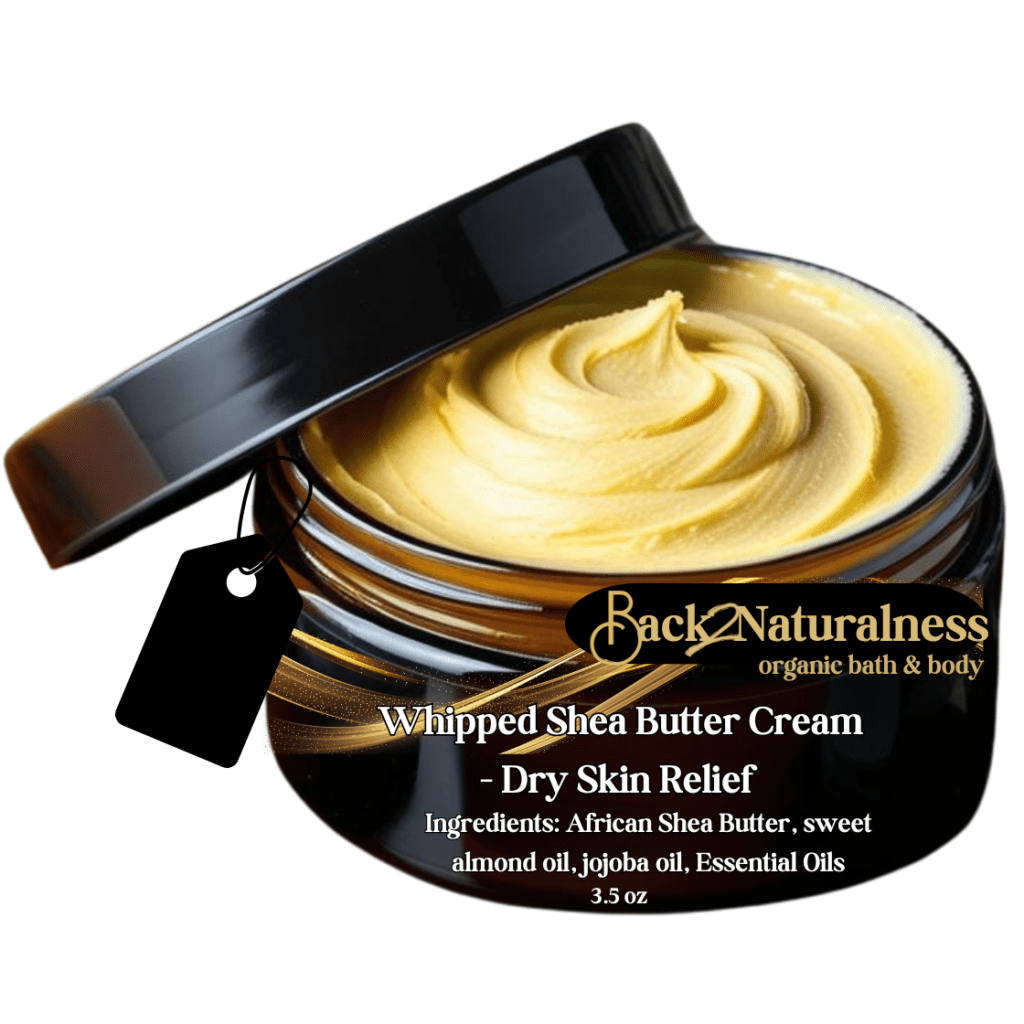
Whipping changes the physical texture by incorporating air into the butter. The result is a lighter, fluffier texture that is often easier to scoop and spread.
Whipped shea butter can therefore appeal to people who want the richness of shea butter but prefer a softer, more luxurious application experience.
If you’re trying to decide between a rich butter and a traditional lotion, read our connected guide: Whipped Shea Butter vs. Lotion: What’s the Difference?
Ghana Shea Butter vs. Lotion
The difference between shea butter and lotion largely comes down to formulation and texture.
Lotion is generally a water-based emulsion that feels lighter and spreads quickly across large areas of skin. Shea butter is a richer butter that provides a substantially different application experience.
According to the American Academy of Dermatology, moisturizers come in several forms, including lotions, creams, gels and ointments. The AAD notes that creams contain more oil than lotions, while ointments are even thicker. :contentReference[oaicite:4]{index=4}
This is why choosing a moisturizer is often less about finding one universally “best” product and more about finding the texture that works for your skin and lifestyle.
Ghana Shea Butter for Different Lifestyles
| Lifestyle | Why Shea Butter May Fit |
|---|---|
| Cold-weather skincare | A rich butter can provide a comforting moisturizing texture. |
| Dry-feeling skin | Its rich emollient texture can help soften the feel of dry skin. |
| Minimalist skincare | One versatile ingredient can be used in several types of products. |
| Natural skincare enthusiasts | Shea butter is a plant-derived cosmetic ingredient used in many formulations. |
| After-shower routine | Rich moisturizers can be applied to damp skin after bathing. |
| Nighttime self-care | The rich texture can work well as part of a relaxing body-care routine. |
How to Use Ghana Shea Butter After a Shower
One simple way to incorporate Ghana shea butter into your routine is immediately after bathing.
- Take a small amount of shea butter.
- Warm it between your palms.
- Apply it to slightly damp skin.
- Massage gently until evenly distributed.
- Allow the product to absorb before getting dressed.
The AAD recommends moisturizing shortly after bathing while the skin is still damp. Its guidance explains that thicker creams and ointments spread more easily on damp skin and can help prevent water loss. :contentReference[oaicite:5]{index=5}
Can Ghana Shea Butter Be Used on the Face?
Shea butter is used in some facial moisturizers, but whether you enjoy it on your face depends on your skin type and the specific formulation.
Someone with very dry skin may enjoy a richer facial moisturizer, while someone with oily or breakout-prone skin may prefer a lighter formulation.
The American Academy of Dermatology recommends considering your skin type when choosing a moisturizer. For oily skin, the AAD suggests considering lighter formulations, while dry skin may benefit from thicker creams or ointments. :contentReference[oaicite:6]{index=6}
As with any new skincare product, introduce it gradually and pay attention to how your skin responds.
Is Natural Shea Butter Better Than Conventional Moisturizers?
This is not necessarily an either-or decision.
Natural shea butter is one type of cosmetic ingredient, while conventional moisturizers may contain a combination of water, oils, humectants, emulsifiers, preservatives and other ingredients.
The most appropriate product depends on what you want from your skincare routine.
It’s also important to remember that natural does not automatically mean irritation-free. The American Academy of Dermatology cautions that even ingredients marketed as natural can cause allergic reactions or irritation in some people. :contentReference[oaicite:7]{index=7}
Why Ingredient Labels Matter
When shopping for natural skincare, don’t judge a product only by the word “natural” on the front of the package.
Read the ingredient list and understand what the product is actually formulated to do.
The U.S. Food and Drug Administration explains that products such as skin moisturizers generally fall under the cosmetics category when their intended purpose is to cleanse or beautify. The FDA also explains that cosmetic products and their ingredients generally are not subject to premarket FDA approval, with certain exceptions such as color additives. Learn more from the FDA’s Cosmetics Safety Q&A. :contentReference[oaicite:8]{index=8}
That is one reason consumers should pay attention to ingredients, product directions and the claims made about a skincare product.
Ghana Shea Butter and Natural Soap
Shea butter can also be used as part of handmade soap formulations.
In soapmaking, oils and fats undergo a chemical reaction called saponification, so the finished soap is not simply a jar of the original oils and butters.
If you’re interested in learning more about handcrafted cleansing products, visit our Complete Guide to Natural Soap.
How Back2Naturalness Uses Natural Butters and Oils
At Back2Naturalness, our approach is centered around natural ingredients and handcrafted bath and body products.
Shea butter, botanical oils and other naturally derived ingredients can be found throughout the natural skincare world because they provide different textures and cosmetic properties.
Our goal is to make it easier for customers to understand those ingredients and choose products that fit their own routines.
Explore the Back2Naturalness natural skincare collection to discover our handcrafted bath and body products.
Frequently Asked Questions About Ghana Shea Butter
What is Ghana shea butter used for?
Ghana shea butter is commonly used in cosmetic products such as body butters, moisturizers, creams, balms, soaps and hair products because of its rich, conditioning texture.
Is Ghana shea butter good for dry skin?
Shea butter is commonly used as an emollient in products intended to soften and moisturize dry-feeling skin. The American Academy of Dermatology lists shea butter among ingredients found in moisturizers for dry skin. :contentReference[oaicite:9]{index=9}
Can I use shea butter every day?
Many people use shea-butter-based moisturizers daily. Apply an amount appropriate for the area you’re moisturizing and adjust according to how your skin responds.
What is the difference between shea butter and lotion?
Shea butter is a rich cosmetic butter, while lotion is generally a lighter water-based emulsion. Their textures, spreadability and skin feel are therefore different.
Is whipped shea butter different from regular shea butter?
Yes. Whipped shea butter has air incorporated into it during processing, creating a lighter, fluffier texture while retaining the rich character of shea butter.
Can shea butter be part of a simple natural skincare routine?
Yes. Shea butter can serve as the moisturizing component of a simple routine, particularly for people who prefer richer textures.
Explore the Back2Naturalness Shea Butter Series
If you’re learning about natural skincare, don’t stop with one ingredient. Continue through the connected Back2Naturalness skincare series.
Start with the foundation: How to Build a Simple Natural Skincare Routine
Then compare textures: Whipped Shea Butter vs. Lotion
Explore a lightweight oil: Jojoba Oil Benefits in Natural Skincare
And discover another popular botanical oil: Sweet Almond Oil for Smooth, Soft Skin
Final Thoughts on Ghana Shea Butter
Ghana shea butter has earned its place in natural skincare because it is versatile, rich and useful in many different cosmetic formulations.
Whether you prefer a traditional body butter, whipped shea butter, a lotion or a lightweight botanical oil, the important thing is understanding how each ingredient and texture fits your individual skincare preferences.
A simple skincare routine doesn’t need dozens of products. Start with the basics, learn your skin’s preferences and choose ingredients intentionally.
Ready to explore natural skincare? Visit Back2Naturalness to explore handcrafted soaps, shea butter products, moisturizers and other natural bath and body products.
