
What Causes Dark Spots on Skin? 6 Root Causes & Natural Fixes
Dark spots on skin — also called hyperpigmentation — are caused by excess melanin production in concentrated areas. The six most common triggers are sun exposure, post-acne scarring, hormonal changes, aging, skin inflammation, and certain medications. The good news: with the right consistent care, most dark spots can be visibly faded within weeks.
What are dark spots on skin?
Dark spots are flat patches of skin that appear darker than your natural skin tone. They are not raised, not painful, and not dangerous — but they are one of the most common skin concerns affecting people of all ages and skin tones. Dermatologists classify them under the umbrella term hyperpigmentation, which simply means an area of skin where too much melanin (your skin’s natural color pigment) has accumulated.
According to the Cleveland Clinic, dark spots can appear gray, pink, brown, or black depending on your skin tone and the depth of the pigmentation. They most commonly show up on the face, hands, shoulders, and chest — areas that see the most sun exposure.
Already know you want to fade your dark spots naturally?
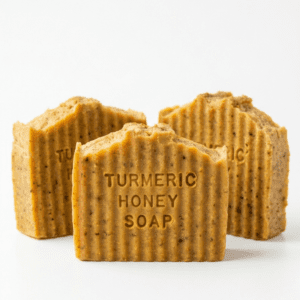
Back2Naturalness Turmeric Ginger Honey Soap — 3-Pack $24.99, FREE Shipping
The 6 Root Causes of Dark Spots on Skin
Understanding why you have dark spots is the first step to treating them correctly. Here are the six most common causes dermatologists encounter:
1. Sun Exposure (Sunspots / Age Spots)
UV rays from the sun are the single most common cause of dark spots. When skin is exposed to UV radiation, melanocytes ramp up melanin production as a protective response. Over time, especially without daily sunscreen, this melanin becomes concentrated in specific areas — creating the flat brown spots commonly called sunspots or age spots. They typically appear on the face, hands, shoulders, and arms — wherever the sun hits most.
2. Post-Inflammatory Hyperpigmentation (Acne Scars)
Every time your skin experiences inflammation — from a pimple, eczema flare, bug bite, burn, or cut — the healing process can trigger excess melanin deposit in that area. This is called post-inflammatory hyperpigmentation (PIH) and it’s one of the most frustrating types because it lingers long after the original blemish is gone. PIH is especially pronounced in medium to deep skin tones (Fitzpatrick types IV–VI) because those skin types naturally have higher melanocyte activity.
3. Hormonal Changes (Melasma)
Fluctuations in estrogen and progesterone — during pregnancy, while taking birth control pills, or through menopause — can trigger melasma: larger patches of brown or gray-brown pigmentation, most commonly on the cheeks, forehead, upper lip, and chin. Melasma is sometimes called the “mask of pregnancy” and is one of the more stubborn forms of hyperpigmentation because it is hormonally driven.
4. Aging
As skin ages, melanin distribution becomes less even. Decades of accumulated sun exposure, combined with slower skin cell turnover, cause melanin to concentrate in patches — particularly on the hands, face, and décolletage. These are sometimes called liver spots or senile lentigines and typically begin appearing after age 40, though they can appear earlier in people who have had significant sun exposure.
5. Skin Irritation & Harsh Products
Over-exfoliation, waxing, aggressive chemical treatments, or using products with ingredients your skin reacts to can all trigger inflammation — and therefore PIH. This is one reason why gentle, nourishing skincare is consistently recommended over harsh chemical brighteners for people prone to dark spots. Counterintuitively, some aggressive “spot treatments” can worsen hyperpigmentation by irritating the skin.
6. Medications & Underlying Health Conditions
Certain medications — including some antimalarials, tetracyclines, NSAIDs, chemotherapy agents, and oral contraceptives — can cause drug-induced hyperpigmentation as a side effect. Underlying conditions such as type 2 diabetes (acanthosis nigricans), thyroid disorders, and vitamin B12 deficiency can also manifest as skin darkening. If your dark spots appeared suddenly alongside other symptoms, it is worth consulting a dermatologist to rule out systemic causes.
How Dark Spots Affect Different Skin Tones
Dark spots affect all skin tones, but they present differently and require different approaches depending on your melanin levels:
| Skin Tone | How Dark Spots Appear | Key Consideration |
|---|---|---|
| Fair / Light | Pink, red, or light brown spots | Lower PIH risk but high sun damage risk |
| Medium / Olive | Brown to dark brown patches | Moderate PIH risk; melasma common |
| Deep / Dark | Deep brown to near-black marks | Highest PIH risk; avoid harsh chemicals that can worsen spots |
The Main Types of Hyperpigmentation at a Glance
| Type | Cause | Where It Appears | Fades on Its Own? |
|---|---|---|---|
| Sunspots | UV exposure | Face, hands, shoulders | Slowly, with SPF |
| PIH (Acne scars) | Inflammation | Anywhere acne occurs | Yes, 6–12 months |
| Melasma | Hormones | Cheeks, forehead, lip | Slowly; often recurs |
| Age spots | Aging + UV | Face, hands, chest | Rarely without treatment |
| Drug-induced | Medication | Varies | Sometimes, when stopped |
How to Fade Dark Spots Naturally: The Right Approach
The most effective and sustainable approach to fading dark spots combines three habits consistently:
1. Daily Sun Protection (Non-Negotiable)
Every dermatologist agrees: without daily SPF 30+, no dark spot treatment — natural or chemical — will work as effectively. UV rays continue to stimulate melanin production and darken existing spots even while you are treating them. Apply broad-spectrum sunscreen every single morning, rain or shine.
2. Consistent Gentle Brightening Skincare
Natural ingredients that inhibit melanin production and support cell renewal include turmeric (curcumin), vitamin C, niacinamide, licorice root, and kojic acid. NIH research and a 2024 review published in dermatology literature both highlight turmeric and licorice root extract as among the most promising natural options for treating dark spots — particularly for people with sensitive or melanin-rich skin who cannot tolerate harsher alternatives.
3. Patience — Measured in Weeks, Not Days
Skin renews itself on a roughly 28–40 day cycle (longer as you age). This means any treatment — natural or clinical — needs at least 4–8 weeks of consistent use before meaningful results are visible. The advantage of natural approaches is that results tend to be more stable and don’t carry the rebound darkening risk associated with some prescription treatments.
Why Turmeric Is One of the Best Natural Solutions for Dark Spots
Of all the natural ingredients studied for hyperpigmentation, turmeric — and specifically its active compound curcumin — has one of the strongest bodies of scientific evidence behind it.
This dual action — blocking melanin at the source and calming the inflammation that causes PIH — makes turmeric particularly effective for the two most common types of dark spots: sun damage and post-acne marks.
Ready to put turmeric to work on your dark spots? We formulated our soap specifically for this purpose — with real turmeric, ginger, honey, and Ghana shea butter.
→ Read our full guide: Turmeric Soap for Dark Spots: Natural Hyperpigmentation Solution
Back2Naturalness Turmeric Ginger Honey Soap combines real turmeric with circulation-boosting ginger, hydrating raw honey, and barrier-repairing Ghana shea butter — a synergistic formula designed to address all six causes of dark spots in a single daily cleanser. It is gentle enough for sensitive skin and all skin tones, with no sulfates, parabens, or synthetic brighteners.
Stop letting dark spots dull your glow.
3-Pack Turmeric Ginger Honey Soap — $24.99 FREE Shipping
FAQ: People Also Ask About Dark Spots
What causes dark spots on skin?
Dark spots are caused by excess melanin production triggered by six main factors: UV sun exposure, post-acne or post-inflammatory scarring, hormonal fluctuations (especially during pregnancy or on birth control), natural aging, skin irritation from harsh products, and certain medications or underlying health conditions. The common thread in all cases is overstimulated melanocytes depositing too much melanin in a concentrated area.
Can dark spots go away on their own?
Mild superficial dark spots — particularly fresh post-acne marks — can fade on their own over 6 to 12 months as skin naturally renews itself. However, deeper or older hyperpigmentation, sunspots, and melasma rarely fade significantly without targeted treatment. Using a turmeric-based cleanser with daily sunscreen can accelerate fading to as little as 2–4 weeks for surface-level spots.
Are dark spots the same as hyperpigmentation?
Yes — dark spots are a common form of hyperpigmentation. Hyperpigmentation is the broader medical term for any area of skin that appears darker than the surrounding tissue due to excess melanin. Dark spots, age spots, sunspots, acne scars, and melasma patches are all types of hyperpigmentation.
What is the fastest natural way to fade dark spots?
The fastest natural approach combines three things: a turmeric-based cleanser used twice daily to inhibit melanin at the source, daily SPF 30+ sunscreen to prevent UV from worsening existing spots, and a gentle vitamin C or niacinamide serum to support cell turnover. Most people see visible improvement in 2–4 weeks with this routine. Back2Naturalness Turmeric Ginger Honey Soap is formulated specifically for this purpose.
Is hyperpigmentation permanent?
Most hyperpigmentation is not permanent with the right approach. Surface-level spots respond well to consistent natural brightening routines. Deeper dermal pigmentation (found in long-standing melasma or old scars) is more stubborn and may require longer treatment timelines or professional support. The key is consistency — stopping treatment too early is the most common reason dark spots seem “permanent.”
Does turmeric really work for dark spots?
Yes — and there is solid science behind it. Curcumin, turmeric’s active compound, inhibits tyrosinase (the enzyme responsible for melanin overproduction) and reduces the skin inflammation that triggers post-inflammatory hyperpigmentation. Multiple NIH-indexed clinical studies confirm statistically significant improvements in skin pigmentation with topical curcumin use. The key is using a product with real turmeric at an effective concentration — not just a product with turmeric listed as a trace ingredient.
Your skin can be clearer, brighter, and more even-toned.
Join thousands who made the natural switch. 3-Pack Turmeric Ginger Honey Soap — $24.99 FREE Shipping.
Disclaimer: This content is educational and does not constitute medical advice. Consult a dermatologist for persistent or rapidly changing skin spots.
